
New Boiler Installation Glasgow: Expert Guide to Modern Heating Systems
Glasgow’s changeable weather demands heating that actually works when the temperature swings and the rain forgets how to quit. This guide explains modern boiler options, costs, regulations, and the full installation process so you can choose a system that fits your home and budget.
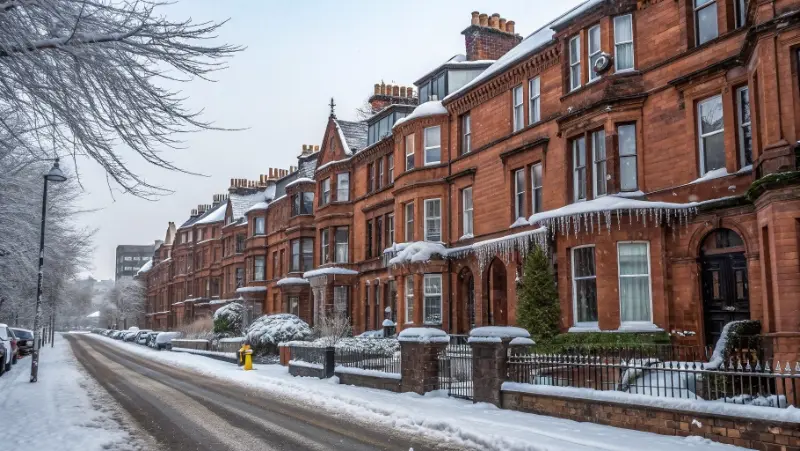
Understanding Modern Boiler Installation in Glasgow
Modern boiler technology has evolved rapidly, delivering higher efficiency, quieter operation, and smarter controls. Getting familiar with the basics helps you make confident decisions and avoid overspending on features you don’t need.
In most homes, a well-sized, condensing gas boiler with weather compensation and programmable controls will cut bills and improve comfort. Properties off the gas grid often consider electric or oil systems.
“The best installation is the one that’s correctly sized, safely fitted, and commissioned to suit the property’s actual heat and hot-water demand.”

Types of Boilers Available for Glasgow Homes
The type of home you have and how much hot water you need will determine which boiler is best for you. Combination boilers are the most popular for apartments and smaller homes because they heat water instantly and don’t need a cylinder. System boilers suit larger homes with multiple bathrooms because they store hot water for simultaneous use. Electric boiler installation works for properties without a gas supply. Oil boilers remain a solid option for rural areas around Glasgow without mains gas.
- Combi boilers: Instant hot water, no cylinder, compact footprint.
- System boilers: Hot water cylinder for higher simultaneous demand.
- Electric boilers: Clean at point of use, ideal off-gas or small flats.
- Oil boilers: Practical for rural properties with storage capacity.
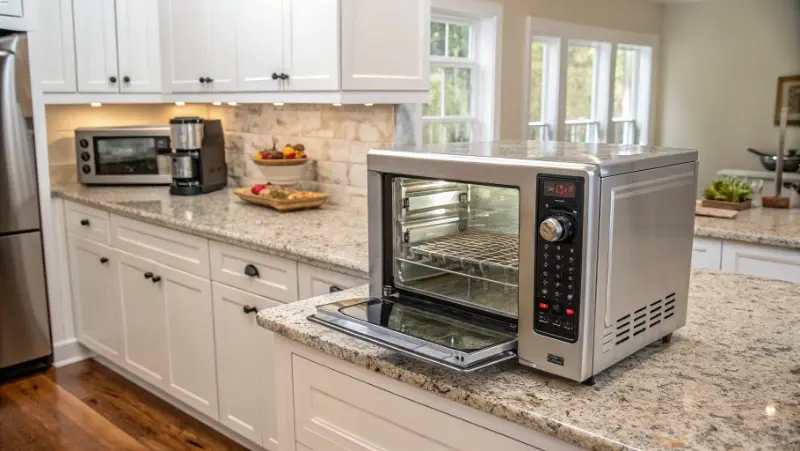
Key Factors Affecting Installation Costs and Timelines
Several variables influence both the cost and duration of your new boiler installation near you. Upgrading from a conventional boiler to a combi requires more labor than a like-for-like swap. Property access, pipe condition, flue routing, condensate drainage, and any radiator upgrades all affect the quote.
Typical professional quotes for supply and fit range widely depending on scope. Independent installers often provide competitive rates for equivalent quality, while larger national brands may offer extended support packages.
- System conversion vs like-for-like replacement
- Pipework alterations and gas supply upgrades
- Flue position, roof work, or core drilling
- Magnetic filter, smart controls, or power flush
- Access challenges in flats or tenements
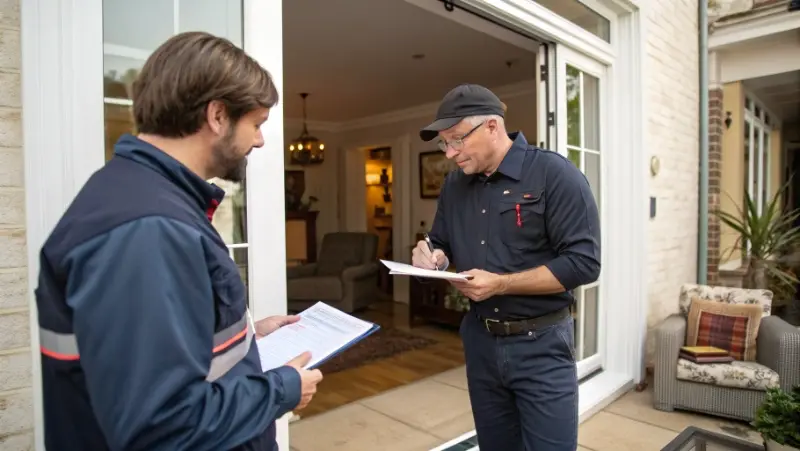
Gas Safe Rules and Requirements for Compliance
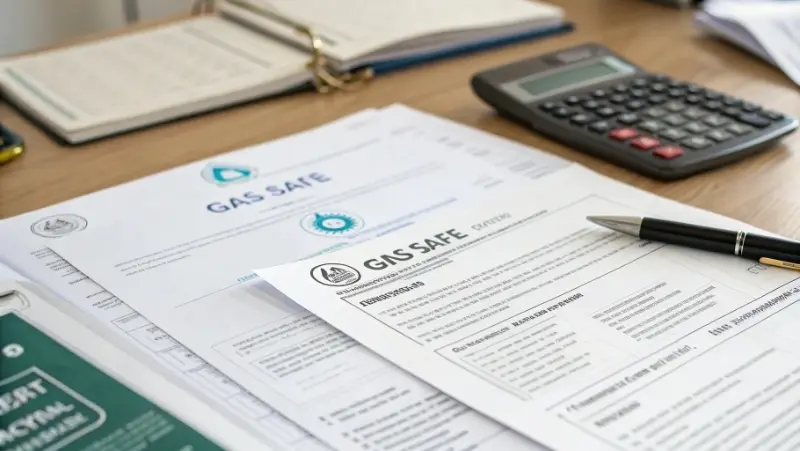
Every boiler installation in the UK must be carried out by a Gas Safe registered engineer. After completion you should receive a Building Standards Compliance Certificate. Flues must be correctly positioned, and condensate pipes protected from freezing, which is particularly important in Glasgow winters.
Only qualified, registered engineers can legally work on gas appliances. Keep your certificate and commissioning sheet with your home documents.
Choosing the Right Boiler for Your Property
Rushing the decision leads to poor performance and wasted money. Accurately assess hot-water demand, radiator output, insulation levels, and future renovation plans before committing.
Combi, System and Electric Boiler Comparison
| Boiler Type | Efficiency Rating | Installation Cost | Best Suited For | Hot Water Delivery |
|---|---|---|---|---|
| Combi Boiler | 90–94% ErP A-rated | £1,800–£3,000 | 1–2 bedroom flats, single bathroom | Instant supply at lower flow rate |
| System Boiler | 89–93% ErP A-rated | £2,200–£3,800 | 3+ bedroom homes, multiple bathrooms | Stored hot water for simultaneous use |
| Electric Combi | 99–100% at point of use | £1,500–£2,500 | Off-gas properties, limited space | Instant, limited by electrical capacity |
| Oil Boiler | 85–92% SEDBUK rated | £2,800–£4,500 | Rural properties without gas | Large stored capacity for high demand |
Electric combi installation has superb point-of-use efficiency, but tariff costs often make gas the cheaper long-term option. The combi vs system choice mainly hinges on simultaneous hot-water usage and household size.
How to Size a Boiler for Glasgow Weather
Undersized boilers struggle, oversized units short-cycle. Engineers size output based on floor area, insulation, radiator count, and hot-water demand. A typical three-bed semi often needs a 28–30 kW combi. Larger detached homes may need 35 kW or more. System boilers can be slightly smaller because they don’t heat DHW on demand.
Efficiency Ratings and Savings Over Time
Modern condensing models recover heat from flue gases, pushing seasonal efficiencies above 90%. Upgrading from ~70% to ~94% can trim annual heating bills by several hundred pounds, especially when paired with smart controls and weather compensation.
The Installation Process: From Survey to Completion
Knowing the steps helps you plan around downtime and check the work is done properly. Straightforward replacements can be completed in a single day; conversions usually take longer.
Pre-installation Survey and Property Assessment
The engineer inspects your current system, gas supply, flue route, and radiators, then confirms the right boiler type and size. The quote should clearly itemize labor, materials, optional extras, and any remedial work like flushing or pump upgrades.
Step-by-Step Timeline
- System drain and removal: Heating off, drain down, old boiler out.
- Pipework modifications: Gas, flow/return, flue, and condensate prepared.
- Mounting and connections: New unit fixed and connected; flue clearances checked.
- Filling and pressure testing: System refilled, leaks checked, radiators bled.
- Commissioning and controls: Safety tests, combustion checks, paperwork and handover.
Post-installation Testing and Certification
After commissioning, you receive compliance documentation and manufacturer instructions. Many installers include a chemical clean; older sludged systems might need a deeper flush at extra cost.
Casinos in Glasgow and Heating Services for Businesses
Entertainment venues operate long hours with high footfall, so their heating loads differ from domestic needs. Understanding commercial practice highlights why professional design matters at any scale.
How Glasgow’s Entertainment Venues Handle Heating
Large venues may use multiple commercial boilers in cascade with redundancy for kitchens and bars, keeping consistent comfort in gaming rooms and lounges. Outputs can reach 120 kW per unit or more, modulating to match live demand.
Commercial vs Residential: What Changes?
- Capacity and backup: Multiple boilers with duty/standby vs single domestic unit.
- Operating hours: Near-continuous operation with planned maintenance windows.
- Compliance and records: Annual commercial gas safety checks and detailed logs.
- Hot-water delivery: Large cylinders or instantaneous banks for restaurants and bars.
- Controls and monitoring: BMS integration, remote alerts, weather compensation, zoning.
Financing and Aftercare for Your New Boiler
Spreading the cost makes upgrades accessible. Compare total repayable amounts against personal loans or savings, and factor in energy-bill reductions.
Flexible Payment Options and Finance Plans
| Finance Option | Deposit Required | Typical APR | Repayment Period | Eligibility Requirements |
|---|---|---|---|---|
| 0% Interest Promotion | 10–20% | 0% (limited time) | 12–24 months | Good credit, UK resident, homeowner |
| Standard Finance | £0–£500 | 9.9–14.9% | 36–60 months | Basic credit check, regular income |
| Boiler Finance Glasgow Plans | £99 fixed | 11.9% typical | 48–84 months | Soft check, instant decision online |
| Manufacturer Offers | £0 | 0–4.9% | 12–36 months | Model-specific, subject to approval |
Warranty Registration and Maintenance
Most manufacturers offer 5–10 year warranties that require registration within 30 days and annual servicing by an approved engineer. Keep service records to preserve cover, and consider bundles that include priority callouts.
Help and Emergency Callouts
Breakdowns love bad timing. Choose an installer with emergency availability and clear response targets. Next-day replacement services can minimize downtime when a boiler fails beyond repair.
Conclusion
When selecting a boiler and installer for your Glasgow home, weigh efficiency, capacity, compliance, and aftercare. Whether you opt for combi, system, electric, or oil, a properly sized and professionally commissioned system can deliver reliable heat and hot water for 10–15 years while lowering energy costs.
FAQ
- Is there a casino in Glasgow? Yes. Venues like the Grosvenor Casino Riverboat and Genting Casino offer tables, slots, and entertainment, operating under UK licensing rules.
- Are there casinos in Scotland? Yes. Major cities including Edinburgh, Aberdeen, Dundee, and Glasgow have licensed casinos regulated to UK standards.
- Can people in the UK play poker? Yes. Poker is legal in licensed venues and online via regulated providers subject to UK law.
- How long does a new boiler installation take? A like-for-like combi swap typically takes one day. Conversions to combi or complex flue work may require two to three days.
- Do I need new radiators with a new boiler? Not always. If existing radiators are appropriately sized and in good condition, they can usually remain. Heavily sludged or undersized radiators should be upgraded.